Eco-Friendly Approaches: How E-Waste Recycling Services Are Preserving Our Planet
E-waste poses significant threats to the environment, as discarded electronics often contain toxic materials. These toxic materials have the potential to taint soil and water sources, leading to broader ecological damage. E-waste recycling services present a viable solution. They successfully retrieve useful resources while simultaneously minimizing environmental pollution. Gaining insight into how these programs function and affect local communities is critical. The journey towards effective e-waste management raises critical questions about individual responsibility and collective action. What measures can be pursued from this point onward?
The Reasons E-Waste Is Damaging to the Planet
Although technology enriches contemporary living, e-waste creates serious threats to the environment. Abandoned electronic gadgets, commonly laden with toxic substances including cadmium, lead, and mercury, may release harmful substances into the surrounding soil and water supply, posing risks to human health and ecosystems. The swift progression of technology results in greater consumer replacement of electronic devices, worsening the buildup of electronic waste.
Landfills, already burdened with waste, struggle to accommodate the growing volumes of discarded gadgets. Incineration, a common waste management technique, emits dangerous pollutants into the environment, degrading atmospheric conditions. In addition, improper recycling practices can lead to the exportation of e-waste to developing countries, where laborers may dismantle devices without adequate safety measures, exposing themselves to dangerous substances. This ongoing cycle of carelessness and inadequate management emphasizes the pressing necessity for responsible recycling initiatives that can lessen the harmful consequences of e-waste on our world.
Understanding E-Waste and Its Significance
Electronic waste, commonly known as e-waste, includes obsolete electronic products including computers, smartphones, and televisions that have exceeded their operational lifespan. This rapidly expanding waste category is noteworthy due to its rapid accumulation, fueled by innovation in technology and shifting Find out more consumer habits. As growing numbers of electronics become outdated, the toll on the environment grows more severe, with toxic materials such as lead, mercury, and cadmium posing risks to ecosystems and human health.
The significance of tackling e-waste extends beyond minimizing these risks to recognizing the valuable resources it holds. Valuable metals and rare earth materials can be extracted and repurposed, lessening the demand for mining and preserving natural resources. With a thorough understanding of e-waste and its impact, people and organizations alike can make educated decisions about disposal and recycling, helping to build a more sustainable world. Effective handling of e-waste is vital for encouraging a circular economy and advancing environmental responsibility.
How E-Waste Recycling Works
E-waste recycling entails a systematic process intended to extract beneficial components while minimizing environmental impact. To begin, discarded electronics are retrieved and sent to purpose-built recycling plants. After reaching the facility, the equipment is meticulously organized to isolate dangerous parts from recoverable materials.
Subsequently, workers dismantle the items, separating plastics, metals, and glass. This phase is essential, as it enables the retrieval of high-value metals like copper, gold, and silver, which can be recycled in new electronics.
Afterward, the divided materials are treated with advanced techniques, such as shredding and chemical treatments, to purify them for recycling.
In the final step, the remaining dangerous materials are managed properly, adhering to environmental guidelines. This systematic method not only saves important resources but also mitigates the risks connected to irresponsible electronic waste disposal, securing a more eco-conscious future for electronic consumption.
Why E-Waste Recycling Matters for You and Your Community
Although it often goes unnoticed, the positive effects of e-waste recycling extend beyond personal convenience to positively impact entire communities. By carefully processing electronic waste, individuals contribute to a safer environment, minimizing toxic components that can leach into soil and water. This forward-thinking practice works to protect local ecosystems and advances public health.
Furthermore, e-waste recycling fosters workforce growth within communities. Community recycling operations commonly require workers for various operations, including collection and processing, thereby providing employment opportunities for community members. This not only boosts the local economy but also promotes community participation in sustainable initiatives.
Additionally, understanding of e-waste recycling may result in awareness campaigns, enabling residents to pursue greener alternatives. By enrolling in e-waste recycling programs, individuals cultivate a culture of sustainability, motivating others to embrace similar practices. Overall, the cumulative impact of these actions can lead to a more robust and eco-friendly community.
Tips for Choosing an E-Waste Recycling Service
Choosing the most suitable electronic waste recycling provider is essential for guaranteeing that electronic refuse is managed in a responsible and sustainable manner. To begin, consumers should check the service's accreditations, such as R2 and e-Stewards certifications, which demonstrate adherence to established benchmarks for secure waste disposal procedures. It is equally important to assess the organization's reputation by reviewing feedback and seeking recommendations from trusted sources.
Next, transparency in the recycling process is vital. A reliable service should offer detailed insights about how e-waste is processed and what happens to the materials. Furthermore, evaluating the range of services offered can be beneficial; certain providers may offer collection services or present rewards for recycling.
Furthermore, understanding local regulations regarding e-waste disposal can further guide the selection process. Through focusing on these key aspects, residents can actively participate in successful electronic waste reduction while supporting environmentally responsible practices.
How You Can Take Part in E-Waste Recycling?
Participating in e-waste recycling may begin at the local level, where local recycling facilities regularly supply essential services for responsible disposal. Additionally, joining community awareness campaigns can enhance efforts to inform others regarding the importance of responsible e-waste management. Such efforts not only encourage sustainable practices but also build a collective sense of responsibility toward the environment.
Area Recycling Stations
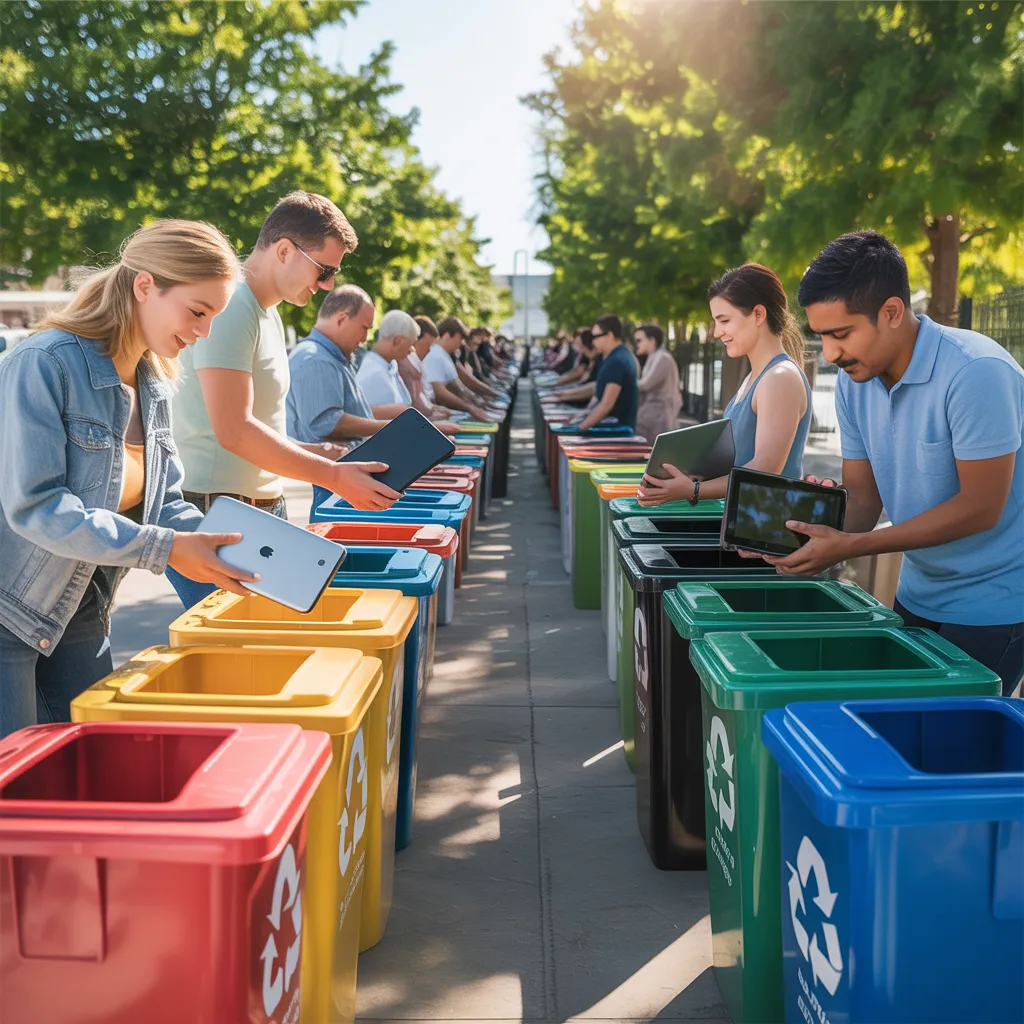
Numerous local recycling centers perform an important function in the recycling of e-waste, providing communities with accessible options to handle electronic waste in a responsible manner. These centers accept a variety of electronic equipment, including old computers, smartphones, and televisions, making certain that hazardous materials are managed safely. Most centers are equipped with qualified professionals who are able to assist individuals with correct disposal techniques, underscoring the benefits of recycling compared to landfilling. Moreover, several stations organize planned drop-off gatherings or set collection days, enabling residents to engage without difficulty. Through the use of these community services, community members advance a circular economy, reducing environmental impact and promoting sustainable practices. Connecting with these stations encourages communities to fight e-waste pollution decisively.
Community Outreach Campaigns
Community groups, educational institutions, and companies can partner to arrange initiatives that encourage e-waste collection drives. Dedicated participants can take a leading part in spreading awareness, distributing educational materials, and engaging with the community. As a result of these combined actions, residents become more informed and motivated to recycle their electronic waste, ultimately contributing to a more sustainable future.
Answers to Your Most Common Questions
What Types of Electronics Can Be Recycled?
A wide range of electronics may be recycled, including laptops, televisions, smartphones, printers, computers, and gaming consoles. Moreover, ancillary devices such as mice, keyboards, and batteries are equally appropriate for recycling, aiding in sustainable environmental practices.
Is There a Cost Associated With E-Waste Recycling?
Yes, e-waste disposal can include charges, subject to the facility. Some facilities charge fees for collection or processing, while other facilities offer free services, frequently supported by the proceeds from salvaged materials.
How Do Businesses Gain From E-Waste Recycling?
Companies can take advantage of e-waste recycling by lowering disposal expenses, strengthening their ecological standing, adhering to regulatory requirements, reclaiming useful materials, and creating potential earnings via resale, thus supporting a greener and more sustainable operational framework.
What Occurs with Data on Recycled Devices?
Data from repurposed devices is frequently irretrievably wiped or obliterated during the refurbishment process. This guarantees confidential data stays protected, preventing unauthorized access while enabling materials to be recycled safely and responsibly within new applications.
Is It Possible to Recycle Damaged Electronics?
Indeed, non-functioning electronics may be recycled. Several recycling centers process broken devices, guaranteeing proper disposal and extraction of valuable materials. This helps reduce environmental impact while encouraging responsible recycling practices to manage e-waste responsibly.